


Best Winter Experiences in Sikkim
Explore memorable winter experiences in Sikkim, from snowy landscapes and frozen lakes to monastery visits, mountain views, local culture, photography, and scenic journeys.
+91 9910402252
admin@chalbanjare.com


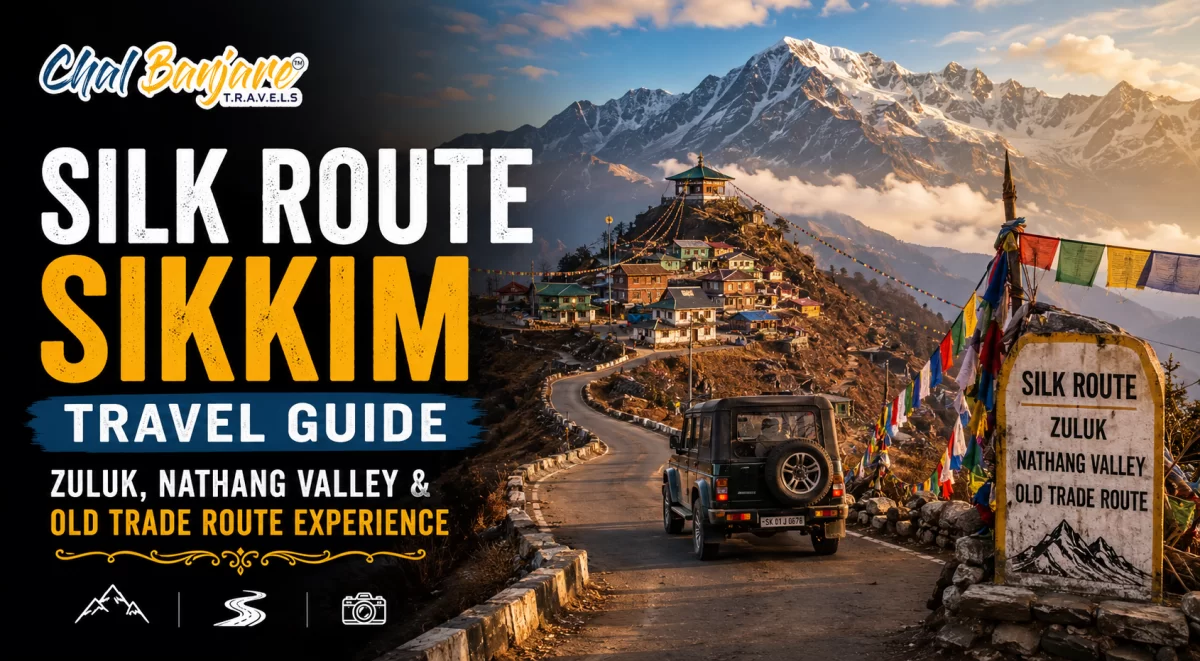
The Silk Route in Sikkim offers winding mountain roads, old trade route history, sunrise viewpoints, snow landscapes, and remote Himalayan village experiences.
The Old Silk Route in East Sikkim is a historic trade corridor that once connected India with Tibet, passing through high-altitude mountain passes, remote villages, and scenic valleys that still retain their ancient charm today.
Today, it is a popular offbeat travel circuit known for its winding roads, heritage villages, and dramatic Himalayan landscapes.
The Silk Route blends history, culture, and raw Himalayan beauty into a single journey.
A Silk Route trip typically requires 3 to 6 days depending on how many destinations you want to cover, with extended routes offering deeper exploration of remote valleys and mountain passes.
Proper planning is essential due to altitude and road conditions.
A well-paced itinerary ensures a smoother and more enjoyable Silk Route experience.
Silk Route travel offers different circuit options, with Zuluk providing a compact experience, Nathang Valley offering high-altitude landscapes, and extended circuits covering multiple remote viewpoints and heritage villages.
Choosing the right circuit depends on time, interest, and travel comfort.
Each option offers a different perspective of the historic Silk Route landscapes.
Zuluk is the most famous point on the Silk Route circuit, known for its dramatic zig-zag roads, also called the Zuluk loops, which offer breathtaking panoramic views of the Eastern Himalayas and winding mountain landscapes.
It is one of the most photographed locations in East Sikkim due to its unique road design and sunrise viewpoints.
Zuluk offers one of the most unforgettable driving experiences in Sikkim.
Nathang Valley is a high-altitude plateau on the Silk Route, often called the “Ladakh of East Sikkim,” known for its vast open landscapes, cold desert-like terrain, and seasonal snowfall.
It provides a raw Himalayan experience with dramatic weather and scenery.
Nathang Valley delivers a peaceful yet dramatic high-altitude experience.
Lungthung, Tukla Valley, and Old Baba Mandir are important sightseeing stops on the Silk Route, offering a mix of historical significance, panoramic viewpoints, and serene Himalayan landscapes.
These locations add cultural depth and scenic beauty to the journey.
These stops enrich the Silk Route journey with history, spirituality, and breathtaking scenery.
Thambi View Point is the most iconic sunrise spot on the Silk Route, famous for its breathtaking view of the Zuluk zig-zag roads and the first golden rays illuminating the Kanchenjunga range.
It is a must-visit location for photographers and early morning travelers seeking dramatic Himalayan sunrise scenes.
Thambi View Point offers one of the most unforgettable sunrise experiences in Sikkim.
Lungthung is a serene high-altitude village on the Silk Route known for its dramatic cloud formations, rolling mountain landscapes, and panoramic views of the Eastern Himalayas.
It is especially popular among photographers for capturing surreal “sea of clouds” moments.
Lungthung offers a calm and visually dramatic Himalayan experience.
Eagle Nest Bunker viewpoints along the Silk Route offer elevated perspectives of the winding mountain roads, deep valleys, and layered Himalayan ridgelines, making them ideal for panoramic photography.
These lesser-known stops provide a quieter and more immersive viewing experience.
Eagle Nest viewpoints provide raw and less-explored perspectives of the Silk Route landscapes.
Zuluk is one of the most popular settlements on the Silk Route, known for its traditional homestays and close connection with mountain life, offering travelers an authentic glimpse into high-altitude living in East Sikkim.
Staying here allows visitors to experience simple routines, local food, and warm Himalayan hospitality.
Zuluk offers a warm and immersive introduction to Silk Route village life.
Gnathang Valley, also known as Nathang, is one of the highest settlements on the Silk Route, offering a unique blend of extreme high-altitude living and traditional Tibetan-influenced culture.
Life here is shaped by cold weather, open landscapes, and strong community traditions.
Gnathang offers a rare opportunity to experience life in extreme Himalayan conditions.
Rongli and Padamchen are quieter Himalayan settlements on the Silk Route, known for their lush greenery, peaceful environment, and welcoming homestays that provide a softer introduction to East Sikkim’s mountain culture.
These villages are ideal for relaxation before ascending to higher altitudes.
Rongli and Padamchen provide a peaceful contrast to the higher Silk Route landscapes.
Spring is one of the most beautiful times to visit the Silk Route in East Sikkim, when rhododendrons bloom across the valleys and clear skies offer uninterrupted views of the Kanchenjunga range and surrounding Himalayan peaks.
This season provides ideal conditions for photography, sightseeing, and comfortable high-altitude travel.
Spring offers the most visually rewarding experience on the Silk Route.
The monsoon season brings heavy rainfall to the Silk Route region, resulting in dense fog, slippery roads, and frequent landslides that can disrupt travel plans and block key routes for hours or even days.
Travel during this period requires flexibility and caution due to unpredictable conditions.
Monsoon is generally avoided for Silk Route trips due to safety concerns.
Winter transforms the Silk Route into a frozen Himalayan landscape, with snowfall covering high-altitude villages like Zuluk and Nathang Valley, creating dramatic white scenery but also extremely cold conditions.
This season is perfect for snow lovers but requires proper preparation and warm clothing.
Winter offers breathtaking views but demands careful planning and winter gear.
The Silk Route is accessed via West Bengal, with NJP railway station and Bagdogra airport serving as the main entry points, from where travelers proceed towards Rongli, the gateway to the East Sikkim Silk Route circuit.
The journey is scenic but involves winding hill roads and gradual altitude gain.
This route is the primary access path for Silk Route exploration in East Sikkim.
The journey from Gangtok to Zuluk passes through steep mountain roads, sharp bends, and high-altitude terrain, making it both scenic and challenging for travelers.
Road conditions vary based on season and weather, requiring careful driving.
This drive is a highlight of Silk Route travel due to its dramatic landscapes.
Silk Route travel is primarily road-based, with options including shared taxis, private cabs, and limited bike trips, each offering different levels of comfort, flexibility, and cost efficiency.
Proper planning is important due to permits and terrain conditions.
Choosing the right transport ensures a safer and more enjoyable Silk Route journey.
A 2 night 3 day Silk Route itinerary covering Zuluk and Nathang Valley is perfect for travelers looking for a short yet immersive high-altitude experience with winding mountain roads, sunrise viewpoints, and cold desert landscapes.
This route focuses on core Silk Route highlights with minimal travel time and maximum scenic exposure.
This itinerary is ideal for quick exploration of East Sikkim’s Silk Route beauty.
An extended Silk Route itinerary combining Zuluk–Nathang Valley with Tsomgo Lake and Nathula Pass offers a complete East Sikkim experience, blending historic trade routes, high-altitude lakes, and border viewpoints.
This plan is suitable for travelers with more time and interest in varied landscapes.
This itinerary offers a rich mix of Silk Route heritage and popular East Sikkim attractions.
Combining the Silk Route with Gangtok and East Sikkim allows travelers to experience both offbeat mountain routes and mainstream attractions in a single journey, creating a well-balanced Sikkim itinerary.
This combination is ideal for first-time visitors seeking diversity.
This combination provides a holistic Sikkim travel experience with varied landscapes and experiences.
The Silk Route trip cost mainly depends on homestays, shared or private transport, and sightseeing coverage, with most stays offering simple yet comfortable accommodation in remote mountain villages like Zuluk and Nathang Valley.
Prices vary by season, route selection, and type of transport chosen for the circuit.
Most travelers prefer package-based Silk Route tours for convenience and cost control.
Traveling the Silk Route requires permits and includes daily expenses for food and local movement, although most costs are bundled within tour packages arranged through registered operators.
Remote location logistics can slightly increase overall expenses.
Proper planning ensures a smooth and predictable Silk Route budget.
Luxury Silk Route travel includes private vehicles, upgraded homestays, and personalized itineraries, but travelers should also account for hidden costs due to remote terrain and seasonal demand fluctuations.
These factors can significantly impact the final trip budget.
Understanding hidden costs helps plan a more realistic Silk Route travel budget.
Nathang Valley and other high-altitude points on the Silk Route sit at extreme elevations where oxygen levels are lower, increasing the risk of altitude sickness for travelers who ascend too quickly without proper acclimatization.
It is important to move gradually and stay hydrated throughout the journey.
Proper preparation significantly reduces altitude-related issues in Nathang Valley.
The Silk Route is known for its narrow and winding mountain roads, which are highly affected by fog, landslides, and sudden weather changes, making travel conditions unpredictable at times.
These challenges can lead to delays or temporary route closures.
Flexibility and caution are essential while traveling through Silk Route roads.
Remote Silk Route regions like Zuluk and Nathang Valley face infrastructure limitations, including weak mobile networks, limited ATM access, and inconsistent electricity supply, along with basic medical facilities.
Travelers must be prepared for self-sufficiency in these conditions.
Being well-prepared ensures a safer and more comfortable Silk Route journey.
First-time travelers on the Silk Route should follow a well-balanced circuit starting from Rongli and covering Zuluk, Nathang Valley, and nearby viewpoints to experience the best of East Sikkim’s high-altitude landscapes without rushing the journey.
This route ensures smooth acclimatization and a complete scenic experience.
This itinerary offers a structured introduction to Silk Route’s beauty and terrain.
Travelers can choose between the offbeat Silk Route circuit (Zuluk and Nathang Valley) or combine it with mainstream East Sikkim attractions from Gangtok depending on time, comfort, and travel preference.
Each option offers a distinct travel experience.
Both circuits complement each other for a complete Sikkim experience.
A Silk Route trip requires careful preparation due to permits, high-altitude terrain, and limited infrastructure, making a proper checklist essential for a safe and smooth journey.
Planning ahead ensures a stress-free experience in remote mountain regions.
With the right planning, the Silk Route becomes a truly unforgettable Himalayan journey.


Get customized Sikkim tour planning based on season, altitude comfort, travel permits, and realistic road travel time. Whether you are visiting for scenic landscapes, monastery circuits, mountain views, or peaceful hill stays, our experts design practical
⚡ Quick Response | 💰 Free consultation | 🕒 24×7 expert support

